Nose Tip Surgery in Korea: What Tip Plasty Looks Like Without a Full Rhinoplasty
Most people who are unhappy with their nose assume they need a full rhinoplasty. In many cases, their bridge is fine. The issue is entirely at the tip: too round, too wide, slightly droopy, or lacking definition. Tip plasty addresses exactly this area without touching the nasal bridge, dorsum, or bone structure.
Korean surgeons perform tip plasty as a standalone procedure far more frequently than their Western counterparts. The reason is anatomical. East Asian noses tend to have thicker skin at the tip and weaker lower lateral cartilages, which means tip refinement often involves cartilage grafting and structural reinforcement rather than simple cartilage trimming. Korean surgeons have developed specific techniques for this anatomy that produce defined but natural-looking results.
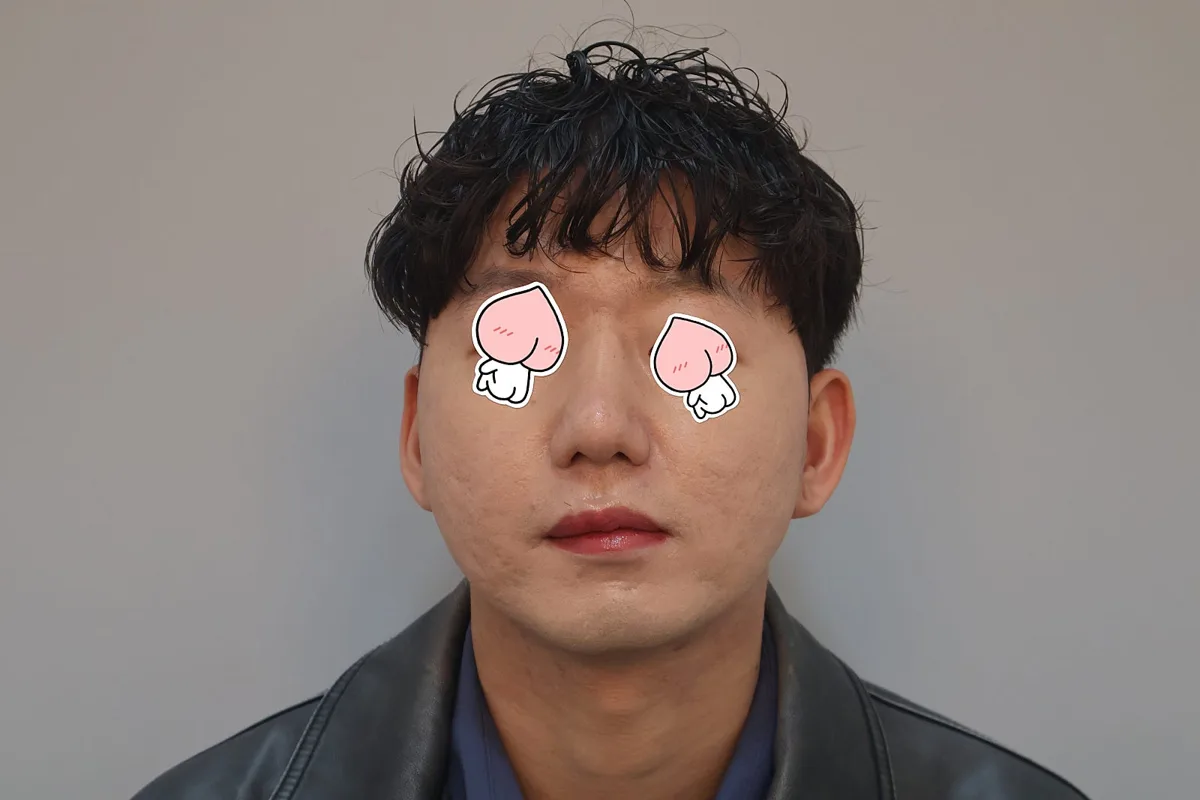
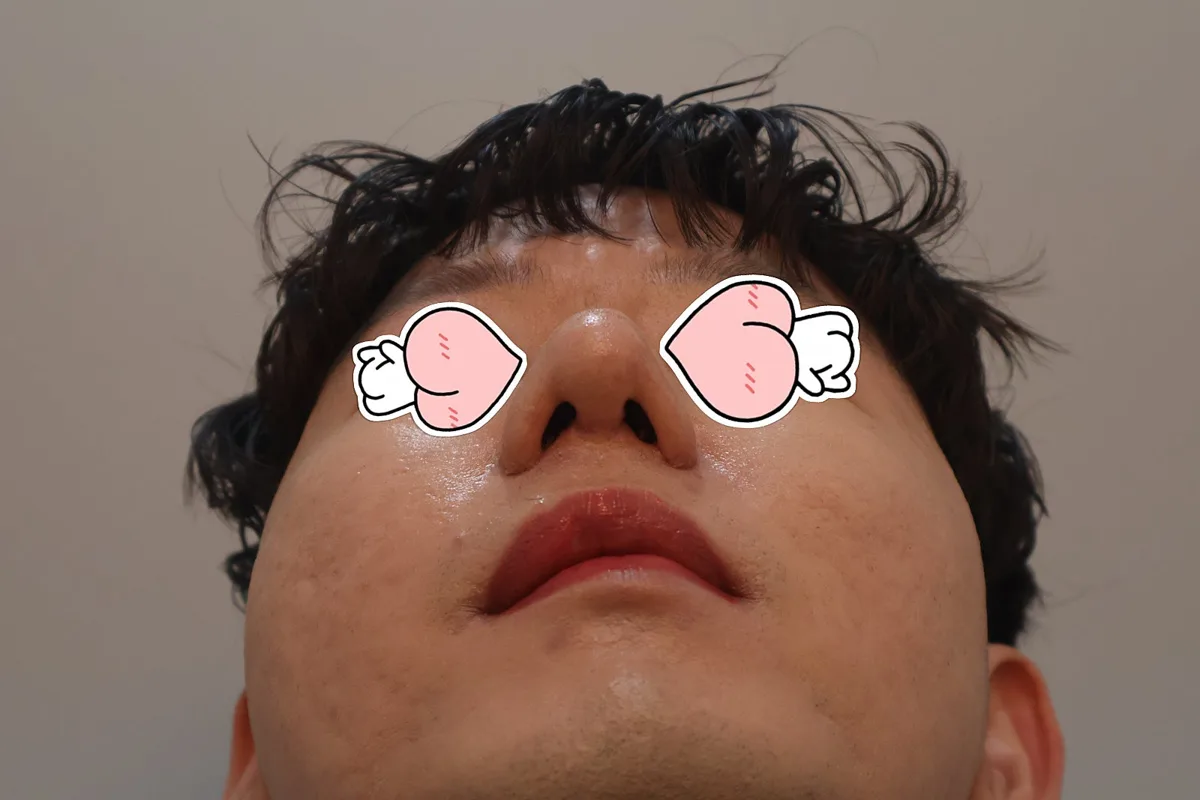
I coordinated consultations for two patients who had tip plasty at clinics in Seoul. Both wanted tip refinement without bridge augmentation or osteotomy. Their recovery photos document what the procedure actually looks like at different stages.
Key Takeaways
- Tip plasty refines the nose tip shape using cartilage grafts without altering the bridge or nasal bones.
- The procedure takes 1 to 1.5 hours and can be done under local or sedation anesthesia.
- Cost in Korea: $2,000 to $3,500. US equivalent: $5,000 to $8,000.
- Recovery involves 7 to 10 days of visible swelling and a nasal splint for the first week.
- Tip plasty can be combined with alar reduction (nostril narrowing) for comprehensive tip refinement.

Case 1: Tip Plasty at 37 Days (Dr. Jung Min-su)
This patient had a bulbous, under-projected tip that lacked definition from the front and side views. Dr. Jung Min-su performed tip plasty using the patient’s own septal cartilage as a strut graft to add projection and narrow the tip. At 37 days post-op, the swelling has largely resolved and the refined tip shape is clearly visible.
Before
After (37 Days)
“Day 37 after my nose surgery with Dr. Jung Min-su. Genuinely satisfied with the result. The tip has a defined shape now but still looks completely natural. The swelling went down gradually and every week it looked a little better. Really glad I went with tip plasty only instead of a full rhinoplasty.” — Patient review #1008, translated from Korean

Case 2: Tip Plasty at 7 Days
This patient wanted a narrower, slightly upturned tip. At 7 days post-op, the splint has just been removed. There is still visible swelling, particularly at the tip and supratip area, which is completely normal at this stage. The final result typically settles over the following 2 to 3 months.
Before
7 Days Post-Op
“Day 7 after my nose surgery. The splint came off today and even with the swelling I can already see the shape changing. The tip is narrower and has more definition. My surgeon said the swelling at the tip takes the longest to go down, so I am being patient. So far really happy with the direction.” — Patient review #1000, translated from Korean
What Tip Plasty Actually Involves
Tip plasty is a surgical procedure that reshapes the nasal tip using cartilage manipulation and grafting. Unlike filler-based nose jobs, it creates permanent structural changes. The specific techniques used depend on the patient’s anatomy and goals:
- Cartilage suturing: The lower lateral cartilages are sutured together to narrow the tip and create definition.
- Columellar strut graft: A piece of septal or ear cartilage is placed between the medial crura to add tip projection and support.
- Shield graft: A small cartilage graft placed at the tip to create a more defined point.
- Cephalic trim: Excess cartilage from the upper portion of the lower lateral cartilage is trimmed to reduce bulk.
- Defatting: Subcutaneous fat beneath the thick tip skin is carefully removed to allow the cartilage framework to show through.
The surgeon uses either an open approach (small incision at the columella) or a closed approach (incisions inside the nostrils only). Korean surgeons tend to use the open approach for tip plasty because it provides direct visualization of the cartilage framework, which is important for precise graft placement.
Who Is a Candidate for Tip Plasty
- Patients with a bulbous or round nasal tip that lacks definition
- People with a droopy tip that points downward, especially when smiling
- Patients with a wide tip due to splayed lower lateral cartilages
- Anyone who wants tip refinement but is satisfied with their bridge height and shape
- Patients who want to combine tip work with alar reduction for a proportional result
Tip plasty is not appropriate if the patient also needs dorsal hump reduction, bridge augmentation, or osteotomy (bone narrowing). Those concerns require a full rhinoplasty. At Link Plastic Surgery, nose surgery is one of the clinic’s core specialties, and the surgical team evaluates whether tip plasty alone will achieve the desired result or whether a more comprehensive approach is needed.
Nose Tip Surgery Cost: Korea vs. United States
Korean pricing is inclusive of the surgeon fee, anesthesia, operating room, splint, and all follow-up visits for the first 3 months. There are no separate facility fees.
Recovery Timeline
Tip swelling is the last area to resolve after any nasal surgery. Patients with thicker skin should expect a longer settling period, sometimes up to 12 months for the final tip refinement to fully emerge.
Considering Nose Tip Surgery in Korea?
Get a free remote consultation with a board-certified nose surgery specialist at Link Plastic Surgery. Send your photos through WhatsApp or KakaoTalk for a preliminary assessment and cost estimate.
Contact Link Plastic Surgery
Related Articles
Korean Rhinoplasty Results at 1 Month: What Your Nose Actually Looks Like During Recovery
Alar Reduction in Korea: What Nostril Narrowing Surgery Actually Looks Like
Upper Eyelid Fat Removal in Korea: 3 Real Patient Results Without Incisional Surgery
Planning Plastic Surgery in Korea: The Complete Medical Tourism Guide
Patient photos from verified reviews at Korean plastic surgery clinics. Published with patient consent. Results may vary.
Related Korean Beauty Guides
- Korean Rhinoplasty for Asian and Western Noses: Why the Surgery Is the Same but the Plan Is Different
- Korean Revision Rhinoplasty: Why So Many Foreign Patients Now Fly to Seoul to Fix Their Original Surgery
- Korean Alar Reduction: The Procedure That Makes Your Face Look Smaller Without Touching the Bridge
- Korean Rhinoplasty Recovery at One Month: What the Mirror Actually Shows (and Doesn’t)