Upper Blepharoplasty in Korea: Why It’s Called “Double Eyelid Surgery for Your 40s” and What Actually Happens
She thought she needed a facelift. The woman sitting in the consultation room had flown from Singapore specifically for facial rejuvenation. She was 52, looked tired in every photo regardless of how much sleep she got, and her upper eyelids had started to feel heavy. She’d been raising her eyebrows all day to keep her eyes open, and the forehead lines were getting deeper every year.
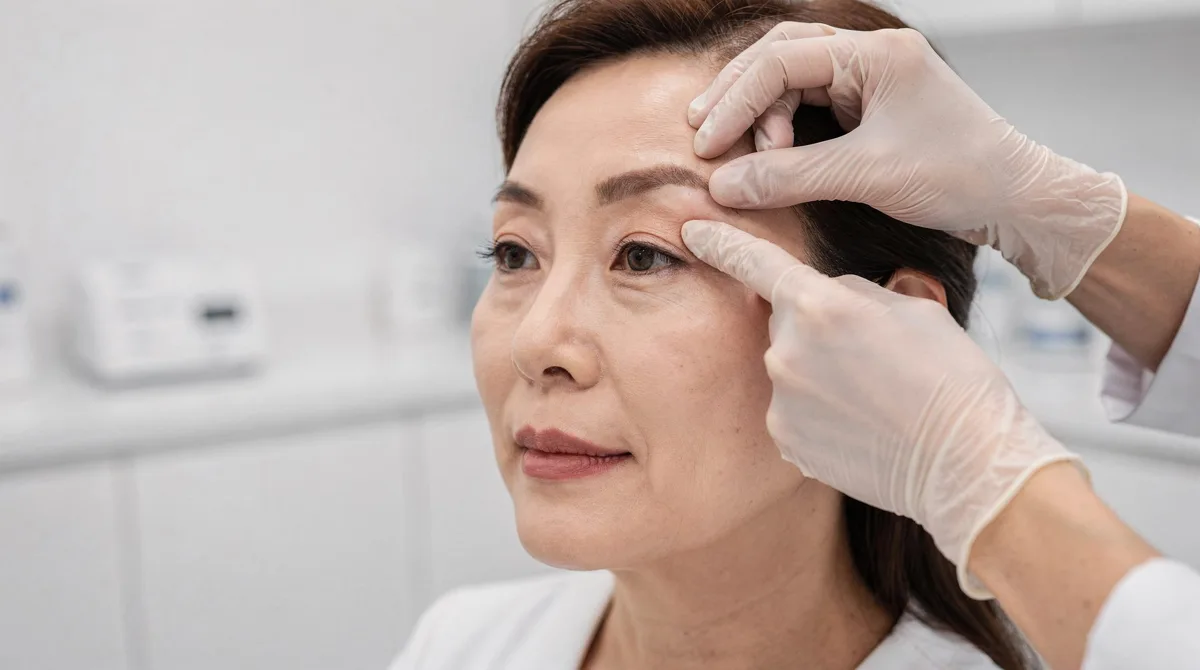
The surgeon looked at her for about ten seconds. “You don’t need a facelift,” he said. “You need upper blepharoplasty. Your face isn’t sagging. Your eyelids are.”
Forty-five minutes of surgery. Seven days of recovery. She looked ten years younger and could see her full peripheral vision for the first time in years.
Upper blepharoplasty is one of the most underrated procedures in cosmetic surgery. It has one of the highest satisfaction rates, one of the shortest recovery periods, and produces changes that are dramatic yet impossible for other people to pinpoint. In Korea, surgeons have a nickname for it: the double eyelid surgery for your 40s.
Key Takeaways
- Upper blepharoplasty removes excess skin and fat from drooping eyelids. It is a different procedure from double eyelid surgery, though the surgical technique overlaps.
- The procedure takes 30 to 60 minutes under local anesthesia and recovery is 7 to 10 days.
- In Korea, it often functions as both a functional and cosmetic procedure, improving vision and appearance simultaneously.
- Korean surgeons approach it differently from Western surgeons, prioritizing subtle volume preservation over aggressive fat removal.
- Cost in Korea: $1,500 to $3,000. Cost in the US: $4,000 to $8,000.
Upper Blepharoplasty vs Double Eyelid Surgery: Not the Same Thing
This is the distinction most English-language articles get wrong. They treat upper blepharoplasty and double eyelid surgery as the same procedure with different names. They are not.
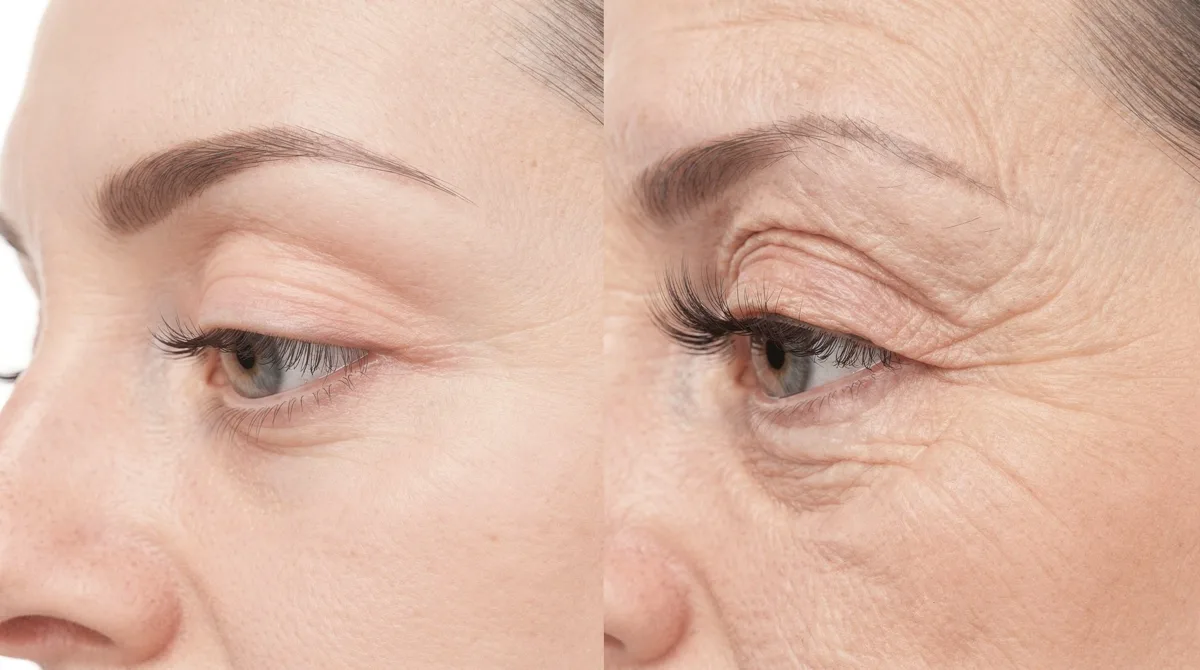
The reason Korean surgeons call upper blepharoplasty “the double eyelid surgery for your 40s” is because the incision placement is nearly identical. The cut follows the crease line. But what happens through that incision is fundamentally different. In double eyelid surgery, you are creating structure. In upper blepharoplasty, you are removing what time has added.
What Korean Surgeons Do Differently
The Western approach to upper blepharoplasty has historically been aggressive. Remove the excess skin, remove the fat, create a clean, hollow upper eyelid. The result often looks surgical. The eyelid appears deflated.
Korean surgeons take a different approach. They remove the excess skin but preserve most of the orbital fat. The reasoning is straightforward: fat loss accelerates with age. A patient who looks great at 50 after aggressive fat removal may look skeletal at 60. Preserving fat volume creates a result that ages gracefully rather than exposing the underlying bone structure.
At clinics like Link Plastic Surgery, the surgical philosophy for upper blepharoplasty focuses on three principles:
- Conservative skin excision. Remove only what is necessary. The “pinch test” determines exactly how much skin to excise. Over-removal creates a hollow, startled look.
- Fat preservation. The orbital fat pad is repositioned rather than removed. This maintains the natural fullness that makes eyes look youthful.
- Crease refinement. If the patient’s existing crease has become buried under drooping skin, the surgery restores its visibility without changing its character.
Who Actually Needs Upper Blepharoplasty?
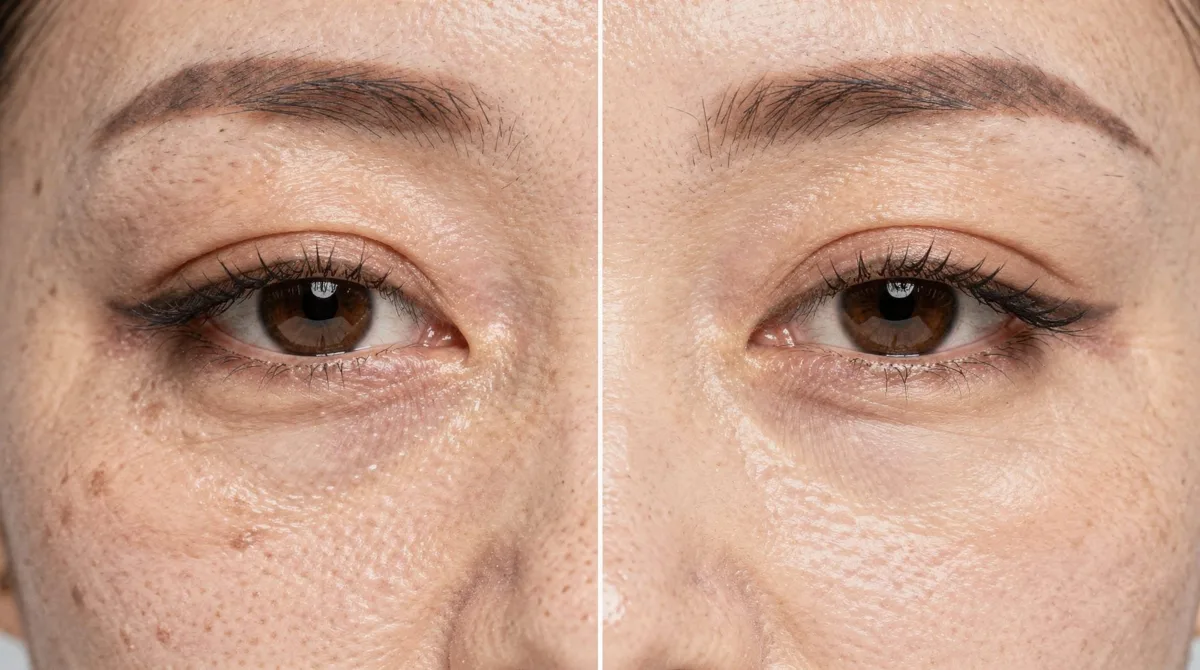
Not everyone with “tired eyes” needs eyelid surgery. These are the clinical indicators Korean surgeons use:
- Skin resting on the lash line. When excess upper eyelid skin drapes over the eyelid margin and touches or covers the eyelashes, it is time.
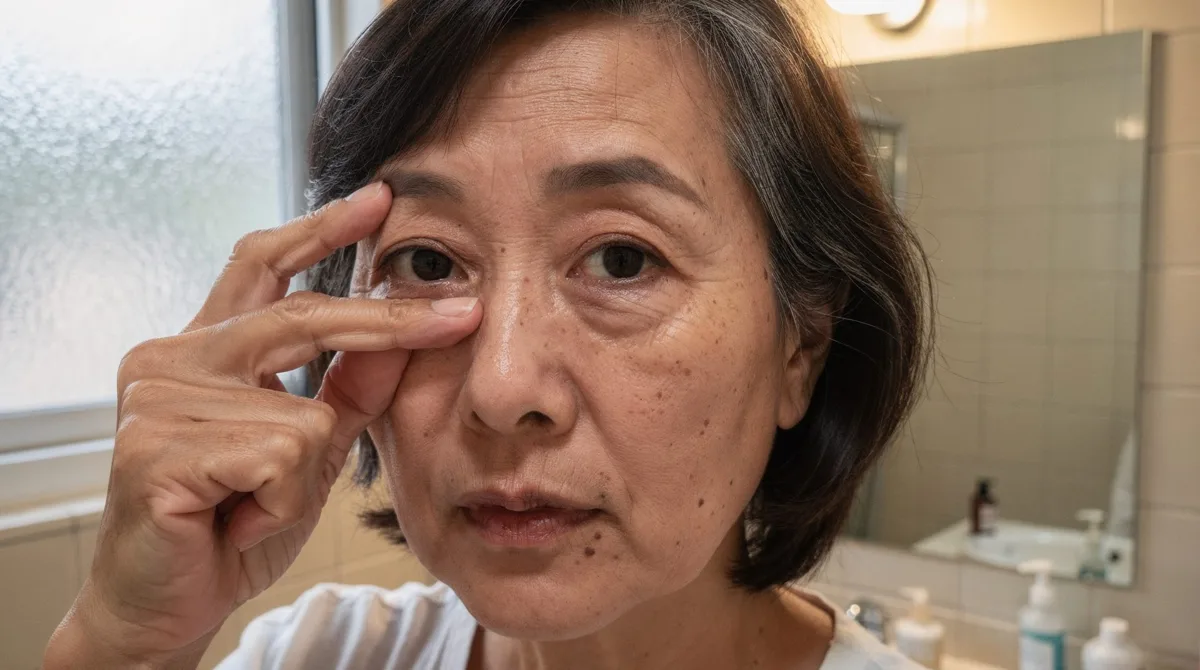
- Visual field obstruction. If you notice yourself tilting your head back to see clearly, or if your peripheral vision feels blocked on the upper and outer edges, drooping eyelids are likely the cause.
- Compensatory forehead lifting. Deep horizontal forehead lines in patients over 40 often indicate that the frontalis muscle is working overtime to hold the eyelids open. Upper blepharoplasty removes the cause.
- Eyelid heaviness. A physical sensation of weight on the eyelids, especially by evening, suggests significant skin laxity.
- Asymmetric aging. One eyelid drooping more than the other is common and correctable.
A useful self-test: take a photo of your eyes looking straight ahead. Then gently hold the excess skin above your eyelid upward with a finger and take another photo. If the difference is dramatic, you are likely a good candidate.
The Procedure: Step by Step
- Marking (10 minutes). The surgeon marks the excision area while you are sitting upright. This is critical because gravity affects how the skin falls. Markings made while lying down would be inaccurate.
- Local anesthesia (5 minutes). Numbing injections along the marked lines. Most patients report this as the most uncomfortable part, equivalent to a dental injection. It fades within 30 seconds.
- Excision (20 to 30 minutes). The marked skin strip is removed. Fat is assessed and either preserved, repositioned, or partially removed depending on the patient’s anatomy. The orbicularis muscle may be partially tightened.
- Closure (10 minutes). Fine sutures close the incision along the crease line. The scar eventually hides within the fold.
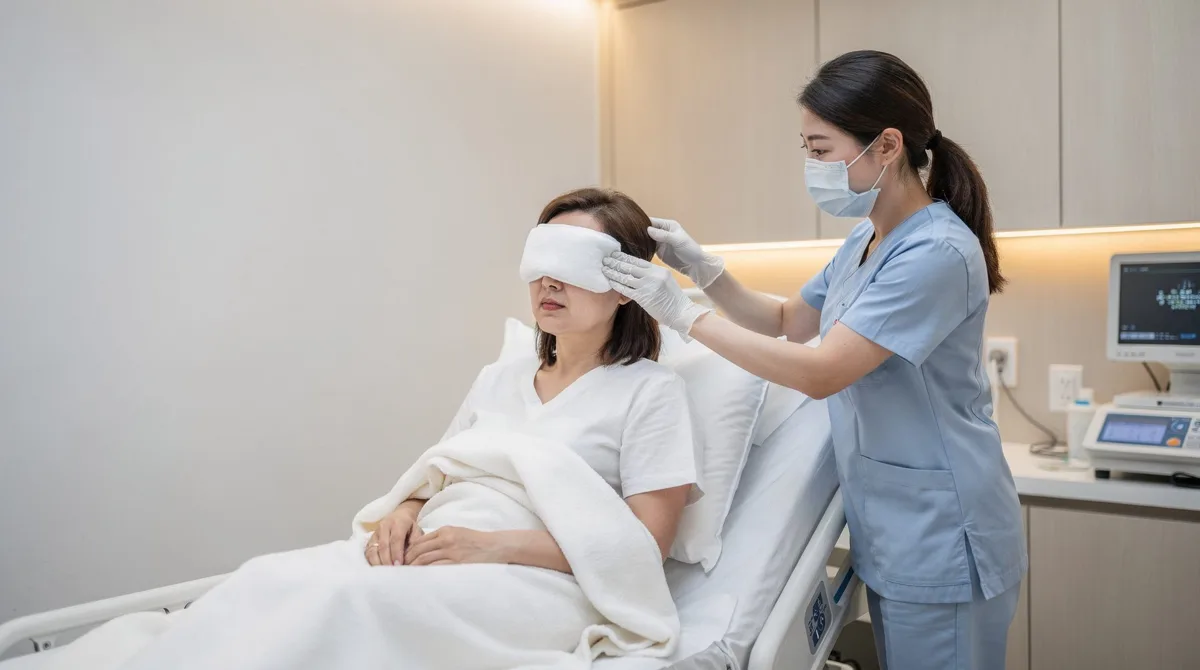
Total time: 45 to 60 minutes. You walk out of the clinic the same day.
Recovery Timeline
Cost Comparison
These prices include surgeon fees, facility fees, anesthesia, and all post-op follow-up visits. Korean clinics typically bundle everything into a single quoted price with no hidden charges.
Upper Blepharoplasty Combined With Other Procedures
Aging rarely affects only the eyelids. Korean surgeons commonly combine upper blepharoplasty with:
- Lower blepharoplasty (under-eye fat repositioning). Addresses bags and hollows below the eyes at the same time. Recovery overlap means one healing period instead of two.
- Brow lift. For patients where the brow has descended along with the eyelid skin. A subtle endoscopic brow lift can complement upper blepharoplasty.
- Ptosis correction. Sometimes aging includes weakening of the levator muscle, not just excess skin. Ptosis correction is added when the eyelid margin drops below its normal position.
Combining procedures does not significantly extend recovery and saves a second trip to Korea for international patients.
Q. What is the difference between upper blepharoplasty and double eyelid surgery?
Double eyelid surgery creates a new crease fold in patients who do not have one, typically younger patients. Upper blepharoplasty removes excess drooping skin and fat from aging eyelids to restore a youthful appearance and improve vision. The surgical technique overlaps, but the goal is fundamentally different.
Q. At what age should I consider upper blepharoplasty?
Most patients are between 40 and 65. The right time is when sagging eyelid skin starts obstructing your peripheral vision, makes you look tired regardless of sleep, or when you constantly raise your eyebrows to see clearly.
Q. How long do results last?
Results typically last 10 to 15 years. The skin will eventually age again, but most patients do not need a repeat procedure. If they do, the revision is usually simpler than the original surgery.
Q. Is it painful?
The surgery itself is painless under local anesthesia. Post-operative discomfort is mild, described by most patients as a tight, heavy feeling rather than pain. Over-the-counter pain medication is usually sufficient.
Q. Recommended for Recovery
Products that support healing after eyelid surgery.
Q. Considering Upper Blepharoplasty?
Get a free remote consultation with a board-certified surgeon at Link Plastic Surgery. Send your photos through WhatsApp or KakaoTalk for a preliminary assessment.